
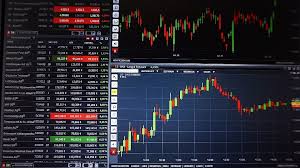
In the world of finance, trading in the Forex market offers immense opportunities for profit. However, it is vital to develop your skills and strategies beforehand without the risk of losing real money. This is where forex paper trading Best UAE Brokers and Forex paper trading come into play. Paper trading allows aspiring Forex traders to practice their trading strategies, learn about market trends, and increase their confidence, all while using virtual currency. This article will explore the concept of Forex paper trading, its benefits, strategies, and how you can start your journey in the world of currency trading.
What is Forex Paper Trading?
Forex paper trading is the simulated trading of currencies without the use of real money. It is an excellent way for new traders to gain experience and learn the dynamics of the Forex market. Essentially, paper trading allows you to execute trades on a virtual platform, where you can track your performance and analyze your strategies without any financial risk.
The Importance of Paper Trading
The importance of Forex paper trading cannot be overstated. Here are a few key reasons why novice traders should engage in this practice:
- Risk-Free Environment: The most significant advantage of paper trading is that it allows you to learn and make mistakes without risking your capital. You can explore various strategies, understand market behavior, and build your trading skills without the fear of financial loss.
- Skill Development: Forex trading requires a unique set of skills, including technical analysis, fundamental analysis, and risk management. Paper trading provides the opportunity to practice these skills and develop a trading approach that works for you.
- Testing Strategies: The Forex market is constantly changing, so it is crucial to adapt your trading strategies accordingly. Paper trading allows you to test various strategies and identify which ones yield the best results.
- Building Confidence: Trading can be intimidating, especially for beginners. Paper trading helps build confidence in your ability to execute trades and make informed decisions in real-time.

Starting with Forex Paper Trading
Getting started with Forex paper trading is straightforward. Here are some steps to follow:

- Choose a Forex Broker: Select a reputable broker that offers a paper trading account. Look for one that provides a user-friendly platform, educational resources, and research tools.
- Create a Demo Account: Once you’ve chosen a broker, create a demo account. This account will allow you to access a simulated trading environment with virtual funds.
- Familiarize Yourself with the Platform: Take the time to explore the trading platform. Learn how to place trades, set stop-loss orders, and analyze charts.
- Start Trading: Begin placing trades based on your research and strategies. Keep track of your progress and analyze your trades to understand what works and what doesn’t.
Effective Trading Strategies for Paper Trading
While using a paper trading account, it’s essential to develop and test various trading strategies. Here are a few effective strategies to consider:
- Technical Analysis: Study price charts and use technical indicators to identify trends and potential trading signals. Practice using tools like moving averages, RSI, and MACD.
- Fundamental Analysis: Keep an eye on economic news and reports that may impact currency prices. Understanding macroeconomic factors will provide you context for your trading decisions.
- Risk Management: Implement risk management techniques such as setting stop-loss orders and limiting the amount of capital you risk per trade. This practice will help you become more disciplined and protect your virtual funds.
- Scalping and Day Trading: If you prefer quick trades, practice scalping or day trading strategies. Test how well you can execute trades within short timeframes and adjust your strategies based on real-time market movements.
Common Mistakes to Avoid During Paper Trading
While paper trading is an excellent way to learn, it’s important to approach it with the right mindset. Here are some common mistakes to avoid:
- Treating Paper Trading Casually: Don’t treat it as a game. Approach paper trading seriously, as if you were trading with real money. This mindset will help you adopt a more disciplined approach.
- Ignoring Emotions: Since there’s no real financial risk involved, it’s easy to ignore emotions during paper trading. However, in real trading, emotions can significantly impact decision-making. Try to emulate real trading conditions to prepare yourself.
- Failing to Analyze Performance: After completing your trading sessions, take the time to analyze your performance. Identify which trades were successful and which were not, and adapt your strategies accordingly.
Transitioning to Live Trading
Once you feel confident in your trading abilities through paper trading, you may be eager to transition to live trading. Here are some tips for making that transition smoother:
- Start Small: Begin with a small amount of capital to minimize risk as you adjust to the emotional aspects of live trading.
- Stick to Your Plan: Continue to use the strategies you’ve tested during paper trading. Consistency is key as you transition into the dynamic environment of live trading.
- Keep Learning: The Forex market is a continual learning process. Stay updated on market trends, continue educating yourself, and adapt your strategies to evolving market conditions.
Conclusion
Forex paper trading is an invaluable tool for anyone looking to become a successful trader. It provides a risk-free environment to practice, learn, and develop your trading strategies. By starting with a solid foundation through paper trading, you can transition to live trading with greater confidence and knowledge. Remember, trading is a journey; keep refining your skills and learning from both your successes and failures.