
Focus on how much better your life will be once you stop using drugs or alcohol for good. Think about what’s driving you to quit, such as rebuilding damaged relationships, keeping a job, or getting healthy again. Certain people, places, and situations can drive you back into drinking or using drugs again.

Teen & Young Adult Treatment Tracks
- Because addiction is a chronic relapsing disease, relapse can occur, though, at any time in the recovery processsome people relapse after having been in recovery for years.
- It is important to note that these studies were not designed to evaluate specific components of the RP model, nor do these studies explicitly espouse the RP model.
Before communicating with others, take time to understand your own needs and boundaries. What behaviors or situations are helpful or harmful to your recovery? Being clear about these will help you articulate them more effectively to others.
- However, it is imperative that insurance providers and funding entities support these efforts by providing financial support for aftercare services.
- Awareness of thoughts, feelings, and behaviors can be indicators of where someone is and what they may need regarding recovery.
- Creating a support network with strong relationships is a foundational aspect of long-lasting recovery.
What Is the Jellinek Curve in Addiction and Recovery?
Sometimes people relapse because, in their eagerness to leave addiction behind, they cease engaging in measures that contribute to recovery. Recovery is a process of growth and (re)establishing a sustainable life. Experts in addiction recovery believe that relapse is a process that occurs somewhat gradually; it can begin weeks or months before picking up a drink or a drug. Moreover, it occurs in identifiable stages, and identifying the stages can help people take action to prevent full-on relapse. The risk of relapse is greatest in the first 90 days of recovery, a period when, as a result of adjustments the body is making, sensitivity to stress is particularly acute while sensitivity to reward is low. It is important to know that relapse does not represent a moral weakness.
Sobriety
Join our global mission of connecting patients with addiction and mental health treatment. Various treatment options are available to help with addiction recovery and relapse prevention. You can learn more about these options and find Substance abuse available facilities through Recovered.
Clinical experience has shown that common causes of relapse in this stage are poor self-care and not going to self-help groups. If you find yourself having a desire to drink or get high and you are debating what to do, a great tool is playing the tape through first. To play the tape through, you must play out what will happen in your mind until the very end. Imagine what will happen in the short and long-term future if you decide to drink or use. Think of the consequences that would occur if you used vs. if you did not use. This can help with your decision making and reduce the risk of relapse.

Set Clear Goals
There is a common misconception that relapse prevention skills should only be used when someone is having a desire to use. However, relapse prevention skills should be implemented into each recovering person’s daily schedule and routine to prevent or reduce the risk of cravings. The recently introduced dynamic model of relapse 8 takes many of the RREP criticisms into account. Additionally, the revised model has generated enthusiasm among researchers and clinicians who have observed these processes in their data and their clients 122, 123. Still, some have criticized the model for not emphasizing interpersonal factors as proximal or phasic influences 122, 123.
Treatment & Support
Developing and practicing effective coping skills is crucial for addiction recovery, as it can help individuals navigate challenges and avoid relapse. By prioritizing relapse prevention strategies, individuals can build the necessary skills and support to stay on the path to long-term recovery. Nurses are well placed to serve a key role in teams seeking to help individuals in recovery avoid relapses. They often have critical knowledge of community resources and trends. Also, their ability to provide a wide range of interventions ranging from supportive therapy to medical interventions often proves to be a valuable asset to patients. Therapy is extremely helpful; CBT (cognitive behavioral therapy) is very specifically designed to uncover and challenge the kinds of negative feelings and beliefs that can undermine recovery.
Practicing relaxation techniques
- This sets a proactive, positive tone for the day and reinforces your commitment to recovery.
- During a mental relapse, the patient has an internal struggle between the desire to resume using and the desire to remain abstinent.
- According to a review of relapse prevention, lapse and relapse are particularly common within the first year of seeking treatment.
Keep a physical copy of this contact list to hand, perhaps in your wallet or by your phone charger, plus a digital version on your phone for when you’re away from home. Sobriety support apps often have a contacts section for storing and organising your network. Cravings may be a natural part of recovery but that doesn’t make them less challenging. Having a strategy for managing cravings will help you to relapse prevention respond rather than react.
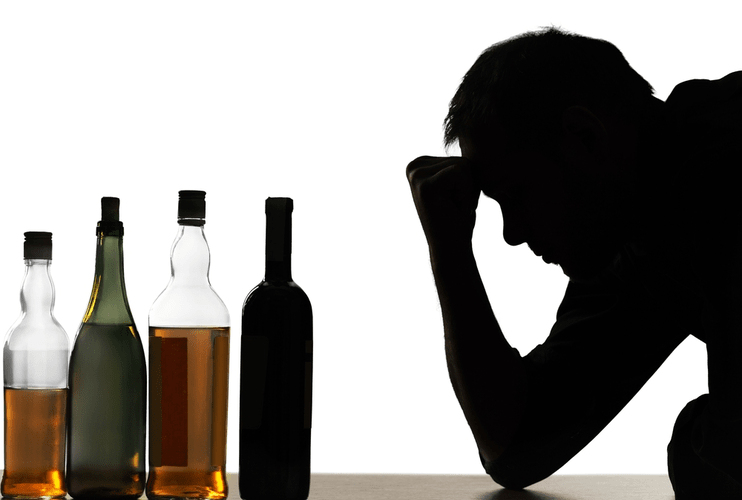
The plan offers a course of action for responding to triggers and cravings. A relapse prevention plan is a vital tool for anyone in recovery.Having a plan helps you recognize your own personal behaviors that may point to relapse in the future. It also outlines ways to combat those behaviors and get back on track. A key aspect of relapse prevention is learning how to recognize and regulate your emotions.
Creating and following a relapse prevention plan is a proactive way to stay sober. This plan should be personalized, incorporating specific strategies and resources that align with individual needs and circumstances. A well-developed relapse prevention plan that’s reviewed and adjusted regularly serves as a road map for navigating recovery, offering tools and strategies to handle difficult situations and maintain sobriety. For more information, contact FHE Health to explore your treatment options and get the support you need. Characterized by a return to substance use after a period of abstinence, relapse is often a gradual process rather than a sudden event. Understanding the triggers that lead to relapse is part of building an effective prevention plan since this is largely where the immediate stress from recovery comes from.