
Relocating to a new place can be both an exciting and challenging experience. One of the most significant considerations to make when planning your move is the moving price. Understanding the factors that influence moving prices can help you budget effectively and ensure that you find the right moving service for your needs.
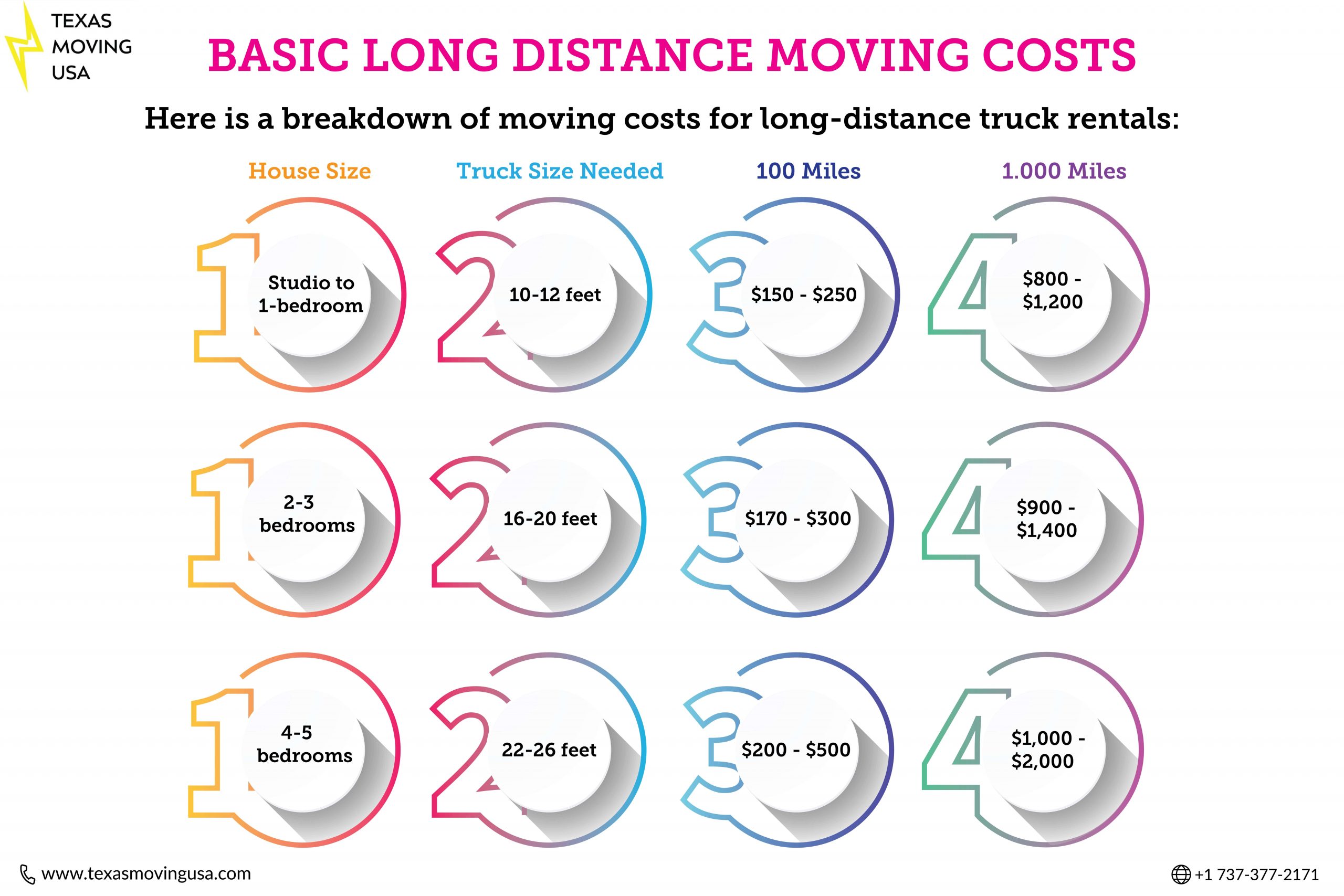
What Determines Moving Prices?
Moving prices can vary drastically based on several factors. Understanding these elements can empower you to make informed decisions when it comes to your move. Here are some key factors that can influence the cost of moving:

1. Distance of the Move
The distance between your current home and your new residence is a primary factor in determining the moving price. Local moves usually cost less than long-distance moves, with prices typically calculated based on the mileage. As a rule of thumb, the farther you go, the higher the costs will be due to fuel, labor, and time.
2. Size and Weight of Your Belongings
The volume of items you are moving directly impacts the final price. Moving companies often charge based on the weight of your belongings. Therefore, it’s crucial to assess your inventory and consider decluttering before the move. The more items you have, the more time and resources it will take to move them, which can increase the overall cost.
3. Type of Moving Services
Different moving services come with varying price points. Full-service moves, where the company takes care of packing, loading, transporting, unloading, and unpacking, will naturally cost more than self-service moves. Additionally, specialty services such as packing fragile items, providing storage solutions, or moving pianos can add to the total cost.

4. Timing of Your Move
The time of year and even the day of the week that you choose to move can affect moving prices. Peak moving seasons, typically during spring and summer months, see higher rates due to increased demand. Conversely, booking a move during the off-peak season or mid-week can result in better pricing options.
5. Accessibility
The ease of access to both your current and new home can significantly influence moving costs. If either location has stairs, narrow hallways, or limited parking, it may require additional labor, which can raise the overall price. It’s always a good idea to inform your moving company about any accessibility challenges beforehand.
6. Additional Fees and Insurance
Many moving companies may charge extra fees for services such as moving bulky items, fuel surcharges, or stairs fees. Additionally, purchasing insurance for your belongings can add to your overall budget. Understanding these potential costs will help you create a more accurate financial plan for your move.
How to Budget for Your Move
Now that we’ve established the factors that can influence moving prices, let’s discuss how to budget effectively for your relocation:
1. Create a Comprehensive Inventory
Start by making a detailed list of all the items you plan to move. Categorize them into essential and non-essential items. This will not only help you identify what to take but also assist the moving company in providing a more accurate estimate.
2. Obtain Multiple Quotes
Don’t settle for the first moving quote you receive. Instead, gather estimates from multiple moving companies. Comparing different quotes can give you a better idea of the market rate and help you find a service that fits your budget.
3. Consider DIY Moves
If you’re looking to save money, consider handling the moving process yourself. Renting a moving truck and enlisting the help of friends and family can significantly reduce costs. However, ensure that you account for truck rental fees, gas, and potential insurance to fully understand the expenses.
4. Prepare for Unexpected Expenses
Even with careful planning, moving can come with unexpected costs like repairs or additional item fees. Having a contingency fund can alleviate any financial stress that arises during the moving process.
Tips for Finding the Right Moving Company
Now that you have a budget in mind, it’s essential to choose the right moving company. Here are some tips to help you find a reliable service:
1. Research Reviews and Testimonials
Look for moving companies with positive reviews and testimonials from past customers. Websites like Yelp, Google, and the Better Business Bureau can provide valuable insight into a company’s reliability and quality of service.
2. Verify Licensing and Insurance
Ensure that the moving company is appropriately licensed and insured. This not only protects your belongings but also offers peace of mind during the moving process.
3. Ask Questions
Don’t hesitate to ask potential moving companies any questions you may have regarding their services and pricing. Transparency is key in finding a trustworthy moving partner. Be sure to inquire about any hidden fees or service charges as well.
4. Book Early
To secure the best prices and availability, book your moving company as early as possible. This is especially crucial during peak moving season when companies can fill up quickly.
Conclusion
In summary, understanding moving prices is integral to planning a successful move. By considering factors like distance, size of your belongings, timing, and services, you can create a budget that accommodates all necessary expenses. With proper planning, research, and preparation, you can successfully navigate the moving process without breaking the bank.